“You have nothing to fear. You don’t need your defensive thorns. I will protect you and hold your lives in very great regard and affection”, Luther Burbank, the eminent American botanist from Santa Rosa, California, used to say this to his plants. He affirmed that the plants could understand his words of endearment and respond to these gentle and loving remarks.
Burbank (1849-1926) was famous for his nurseries and he succeeded in developing a spineless cactus (useful for cattle-feed) and the plumcots (hybrids between different species of plums, peaches, etc.) . He is credited with developing more than 800 strains and varieties of plants, including fruits, flowers, grains, grasses and vegetables. His experiments in the field of agricultural science, spanning many years, earned him the name the “Wizard of Horticulture”. Burbank also propounded the theory that plants have more than twenty sensory perceptions.
Another famous scientist who conducted experiments in the 1900s on the ‘twenty sensory perceptions of the plants’ was the Indian botanist and physicist Sir Jagdish Chandra Bose (1858-1937) who is considered the father of Bengali science fiction. Being professor of physics at Presidency College, Calcutta, in British India, he discovered that although plants are devoid of a nervous system or a brain, they respire and digest food. Plants can move as well without there being any muscles. In the early 20th century Bose invented crescograph, a device for measuring the growth in plants. Later he made a number of pioneering discoveries in plant physiology. A crater on the moon has been named in his honour.
The experiments of Burbank and Bose have established beyond any shadow of doubt that plants, like animals, react to stimuli. The responses given out by plants were similar to the responses of animals. Seemingly, there is a close resemblance between the skins of reptiles and amphibians on the one hand and the skins of plants of fruits and vegetables on the other. Plants too get tired of ‘continuous stimulation’ as in the case of animals. The leaves of the plants respond to light just as the eyes of the animals do to the same stimulus. Plants could also be rendered ‘unconscious’ if chloroform was administered.
Botanical research has demonstrated that plants are capable of responding to a broad range of stimuli: chemicals, oxygen and carbon dioxide concentrations, light, temperature, moisture, gravity, infections, parasite infestation, disease, physical disruption, sound and vibrations and touch.
Cleve Backster (1924-2013), a New York polygraph expert and an interrogation specialist with the CIA (Central Intelligence Agency), found that when he attached the electrodes from the machine to the leaves of a plant, it responded to his thoughts and intentions. Once he thought idly about burning the plant, and the needle on the graph paper fluctuated wildly.
Pierre Paul Sauvin, an officer of the International Telephone and Telegraph in New Jersey, U. S. A., had a radio transmitter attached to his leg under the trousers. Through this transmitter he would talk to his pet plants at home in a very affectionate manner. His conversation would last for a few minutes and he would also listen to the responses he received from the plants.
Research conducted by Professor June Nasrallah discovered that the plants’ pollination mechanism also serves as a mechanism against self-reproduction that bears scientific evidence that plants could be regarded as self-aware organisms. Nasrallah received her B. Sc. degree in Biology from the American University of Beirut, Lebanon and her Ph. D. in Genetics from Cornell University, New York.
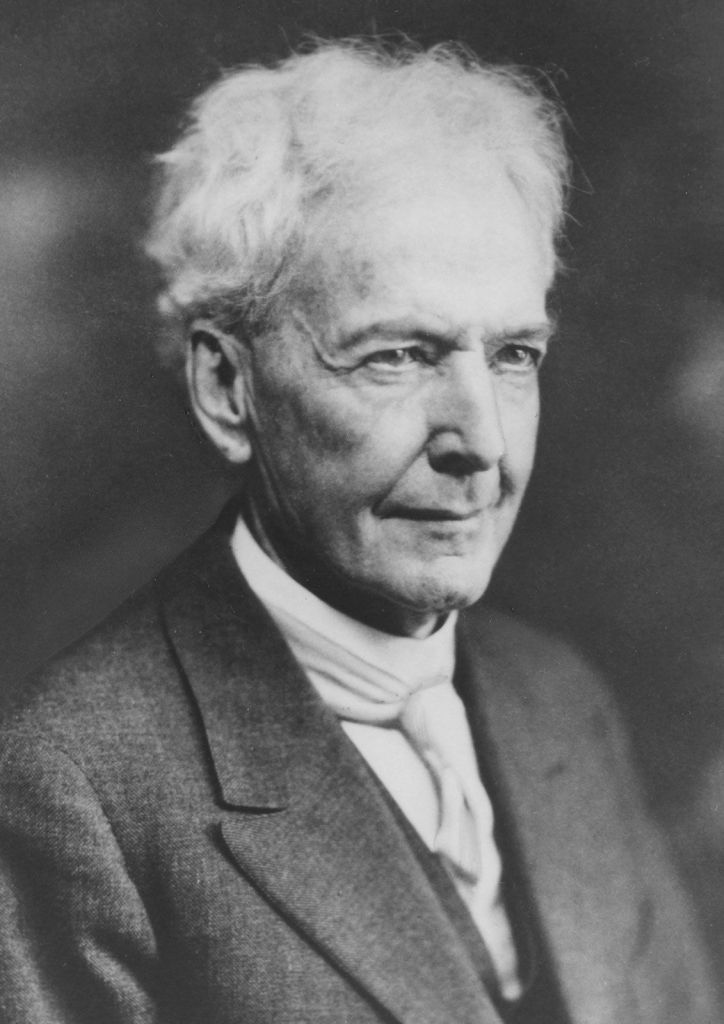
Luther Burbank 
Sir Jagdish Chandra Bose
Plants’ reaction to music
Dorothy Retallack, another lady scientist from Denver, in the U. S. state of Colorado, performed experiments in 1968, taking a mixed group of plants consisting of philodendron, corn, beans, radishes, pelargoniums and African violets. The musical notes were played on the piano and the ‘sitar’ (a plucked stringed instrument used for Hindustani classical music) for twelve hours a day. After a period of three weeks, she observed that petals turned towards the source of music and seemed to flourish, recording an accelerated growth. The classical music of German composer and musician Johann Sebastian Bach (1685-1750), Austrian composer Franz Joseph Haydn (1732-1809) and the East Indian ‘sitar’ music had created positive effects on the plants. Retallack also noted that when her plants were forced to listen to acid ‘rock music’ (originating from black American music in the U. S. in the late 1940’s) on her record-player they ‘cringed’ and ‘died’ except the African violets. Folk music and jazz (originating in the African-American communities of New Orleans, U. S. A.) seemed to have a neutral effect on the growth of plants. The plants which were in the ‘control’ group and were not subjected to noise, had grown normally.
Does prayer help plants to grow? Many plant owners would swear that this is true. In the Power of Prayer over Plants, the Rev. Franklin Loehr describes a series of 700 experiments by 150 persons with 27,000 seeds. The seeds that had received the prayer treatment grew more rapidly than the ‘control’ group of seeds that were ignored.
Some psychics claim that they can see auras, supposed emanations surrounding not only people and animals but also plants. Ethel DeLoach of Morristown, New Jersey, has spent hours watching the aura of a leaf as it dies. When the leaf is cut in half, the auras of the two halves reach out to each other. When the leaf is dead, the aura is gone. The Kirlian process developed in Russia has photographed auras of many living organisms, including plants. Kirlian photography is a collection of photographic techniques used to capture the phenomenon of electrical coronal discharges, named after Semyon Davidovich Kirlian (1898-1978), Soviet inventor of Armenian descent, who made the discovery accidentally in 1939. A coronal discharge is an electrical discharge caused by the ionisation of a fluid such as air surrounding a conductor carrying a high voltage.
Banyan tree and basil plant
There is a particular day in the month of June when the married women in India worship the banyan tree (Ficus benghalensis, native to the Indian Subcontinent and ranked among the largest trees in the world by canopy coverage) and pray for the long life of their husbands. The women are attired in an elaborate dress, keep a fast and go to the banyan tree, which is the National Tree of India, and entreat it to protect their husbands from all dangers and grant them a life of happiness and prosperity. Should there be any other expectations or hopes to be fulfilled, the same may be spoken of to the tree. It is firmly believed that the tree listens to the words of the ladies and responds accordingly. Similarly, the basil plant is worshipped almost daily by the devotees, praying for protection of the family in times of difficulty.
Carnivorous plants
The fact that plants can perform and direct conscious activities is corroborated well by their ability to entrap and kill insects and arthropods (invertebrate animals) as a source of nutrients for their survival. These carnivorous plants have adapted to grow in places where the soil is poor in nutrients, especially nitrogen. They can be found on all continents and many Pacific islands except Antarctica.
Carnivorous plants execute certain movements when solid bodies come into contact with them or touch or strike their surfaces. Many such plants have developed this irritability to contact or impact and entrap and hold insects as an unsuspecting prey. The tendrils of climbing plants coil around supports and lift the foliage and flowers into sunlight. Many ‘sensitive’ plants quickly fold their leaves when they receive a stimulus, thus avoiding injury from hail or grazing animals.
Five basic trapping mechanisms are found in carnivorous plants:
- Pitfall traps that capture insects in a rolled leaf that contains a pool of digestive enzymes or bacteria [eg Mulu pitcher plant (Nepenthes muluensis), endemic to Borneo].
- Flypaper traps that use a sticky mucilage (thick, gluey substance) (e.g. Sundew or Drosera, native to every continent).
- Snap traps that perform rapid leaf movements [eg Sleepy plant or Touch-me-not Shameplant (Mimosa pudica), now a pantropical weed].
- Bladder traps that suck prey into a bladder that generates an internal vacuum where the aquatic invertebrates are digested (e.g. Utricularia vulgaris, a free-floating plant found in Asia and Europe).
- Eel traps that use inward-pointing hairs or bristles to force prey into a digestive organ [e.g. Corkscrew plant (Genlisea violacea), distributed throughout Africa and Central and South America]. ***
According to a recent media report, Dr. Shilanthi Seneviratne, a medical specialist and community physician at the National Dengue Control Unit, has urged the people to remain vigilant and seek medical attention if fever persists for more than two days. The Unit comes under the Ministry of Health, Nutrition and Indigenous Medicine.
The report added that during the course of the current year, 21,154 dengue patients have been reported throughout the country.
Clinical dengue-like illness has been recorded in Sri Lanka from early 20th century, and it was serologically confirmed in 1962.
Incidences of Dengue Fever (DF) and the more severe Dengue Haemorrhagic Fever (DHF) in Sri Lanka continued to increase during the early 2000s with two of the largest epidemics occurring in 2002 and 2004 with 8931 cases (incidence of 47 per 100,000 population) and 15,463 cases (incidence of 77 per 100,000 population) reported to the national Epidemiological Unit during these two years respectively.
Dengue has a seasonal transmission in Sri Lanka, with two peaks occurring with the monsoon rains in June-July and October-December respectively. The majority of cases occur during June-July, the summer monsoon.
Transmission of the fever
DF and DHF are transmitted by two kinds of Dengue Vector Mosquitoes: Aedes Aegypti and Aedes Albopictus. The two diseases have caused alarm and panic among the island population in recent times.
Of the 2246 mosquito species living worldwide, 140 species are found in Sri Lanka. There are four diseases in Sri Lanka that are conveyed by mosquitoes, namely, malaria, elephantiasis, dengue fever and Japanese encephalitis. Although the development of dengue vaccines began in the 1920s, it was hampered by the need to create immunity against all four dengue serotypes.
In December 2018, Dengvaxia was approved in the European Union as a vaccine against dengue disease. This is available in some countries for people aged 9 to 45 years. The World Health Organisation (WHO) recommends this vaccine to be given only to persons with confirmed previous dengue virus infection.
TAK-003 or DENVax is another vaccine, originally developed in Bangkok, Thailand. TV-003/005, TDENV PIV and V180 vaccines are undergoing studies and tests.
Unlike malaria and elephantiasis, where a parasite is involved, dengue fever and Japanese encephalitis are viral diseases, as is COVID-19. This means that the mosquito introduces a virus into the human blood. In the case of dengue fever, it is Aedes Aegypti or Aedes Albopictus that carries the dengue virus. The mosquito that conveys dengue virus, does not convey that of Japanese encephalitis and vice versa is equally true.
There are two important things which one may be unaware of and one needs to know about dengue fever: 1) Dengue-carrying mosquitoes, unlike others, breed in clear, fresh water. 2) They bite people during the day. Thus, the dengue virus enters human blood, not while a person is asleep at night, but when one is fully awake, either at school or at workplace.
Aedes Aegypti is black in colour and easily identifiable. There are white lines on its body. They are called “Tiger Mosquitoes” in other countries. About 60% are Aedes Aegypti which abound mainly in the capital Colombo.
Aedes Albopictus (40%) is found everywhere, but mostly outside Colombo. It has only one single line on its body.
It is the female mosquito which sucks human blood.

Breeding habitats
Here is a list of the breeding habitats of these two species:
1) Tyres
2) Machinery parts
3) Discarded receptacles (tins, cans, coconut shells, spent nuts, polythene packs)
4) Water storage containers
5) Ant traps
A mosquito lays 70-100 eggs at a time. These eggs are sticky and even if a water-accumulated tyre with mosquito eggs in it is emptied of the contents, the eggs can stick to a side of the tyre and survive for 6 months. Should they be reintroduced into the water habitat, their normal life procedure would continue uninterrupted.
Preventive measures
Fogging has proved ineffective for controlling dengue mosquitoes, as the effects of fogging can last only for one week. Weekly fogging, being not only a nuisance to people, also causes environmental pollution, creating conditions far worse than the dengue fever itself.
Consequently, the most effective means of combatting the dengue menace would be to keep the gardens clean and free from all kinds of discarded receptacles, containers, etc. that make ideal breeding habitats for the mosquitoes. These dengue carriers can fly within a radius of only 2 miles.
It is true that disposing of garbage and litter has to be undertaken by respective local government bodies. Yet, they alone cannot do it. People always should co-operate with such authorities in their efforts. Empty tins and cans could be either buried or burned or one could make a hole in the bottom of these receptacles so that rain water might not collect there. Coconut shells or used nuts could be chopped up into pieces or they could be used as fuel for cooking at home. Water in ant traps could be replaced once a week and this would hinder the growth of larvae. Tyres could also be removed from the garden.
DHF is a fatal disease that threatens children. It has claimed the lives of many children in the past. Mild flu like illness may be the first symptom of this fever that might respond to normal medical treatment. Yet, the fever might also last for 7-8 days. This sustained fever would be followed by a number of other symptoms: severe headache, prostration, joint pains, muscle and limb pains, abdominal pain, little vomiting, nose and mouth bleeding, vomiting blood and enlargement of liver. Lastly, red patches (like mosquito bites) would appear on the skin.
The patient, suffering from DHF, must be immediately taken to a doctor for proper medical treatment. The patient under treatment needs bed-rest.
A major health problem
Dengue can strike you again and again. You can get infected with dengue not once, twice but multiple times, with each subsequent infection being deadlier than the ones before. More than two in three people may not even develop symptoms the first time they get infected. This is another risk involved. The mosquito that spreads dengue also spreads chikungunya, zika and yellow fever.
Dengue is becoming a major health problem which is both global and local. Dengue fever outbreaks have been documented on every continent except Antarctica. A dengue-like disease was first described clinically in Thailand from 1950 and in Philippines from 1953. For more than 40 years, countries where this disease is endemic, have reported cases and deaths to the respective WHO Regional Officers. Millions of people living in tropical and subtropical parts of the world are infected each year by one or more of the four serotypes of dengue viruses. ***
]]>The most complex and intractable challenge that currently faces the Department of Wildlife Conservation (DWLC) in Sri Lanka is, undoubtedly, the Human-Elephant Conflict (HEC), frequently reported in the local media. The deprivation of the natural habitats of wild elephants resulting from deforestation due to agricultural and irrigational projects has forced them to encroach upon farmlands of villagers in quest of food, devastating crops and damaging the houses of farmers. Although elephants have been held in some esteem over the years in the Sri Lankan culture, they, regrettably, are now being regarded by villagers as unwanted neighbours and as an agricultural pest. Due to the large size of these animals and their intemperate appetite, the elephants can destroy a whole plantation overnight.
DWLC reports confirmed that at least 1369 elephants have been killed in the last decade as a result of confrontations between them and humans while during the same period 536 villagers too have lost their lives. The loss of livelihood of farmers due to unexpected attacks by marauding wild elephants has led to vigorous protests, urging authorities to take prompt action. But, the matter needs to be handled with utmost care, for any lasting solution to the conflict would have to be one that saves the lives of both elephants and humans.
Yet, latest media reports quoted the DWLC as claiming that deaths caused by the HEC had declined in 2020 after the record of the highest number of elephant deaths in the world owning to angry villagers who poisoned the roaming animals or shot them to death in the previous year. The source affirmed that elephant deaths had dropped by nearly 22% in 2020 compared to 2019.
According to official statistics, only 318 elephants and 112 persons were killed in 2020 compared to 407 elephants in the previous year. These findings recorded a drop of 8% in human deaths since 2019.
Although the wild elephant population in Sri Lanka is estimated at 6000-7000 elephants, it is difficult to verify the accurate data with regard to their total number. About 70% of wild elephants in the country inhabit forest areas outside the protection of the DWLC, thus heightening the conflict.
There were reportedly over 19,000 wild elephants in Sri Lanka at the turn of the 19th century, but unscrupulous capture of these animals, hunting them for mere pleasure and killing them to avenge the raids on plantations have reduced this number drastically. According to Sri Lankan law, killing an elephant is a criminal offence.
Some of the measures adopted presently by the DWLC to resolve the issue include the use of noise, flashes and other shock tactics to deter elephants from trespassing on villages, establishment of new national parks in order to extend the conservation areas and of elephant corridors to allow safe passage of elephants from one habitat to another, translocation of elephants to sparsely populated areas, erection of barriers of electric fences between plantations and elephants’ territory and control of poaching mostly for ivory.
The DWLC was established in October 1949 with Captain Cyril Wace Nicholas (1898-1961) as its first Warden. He was a Ceylonese (Sri Lankan) soldier, civil servant and forester.
Another leading organisation that carries out scientific research for better environmental conservation and management in Sri Lanka is the Centre for Conservation and Research (CCR), chaired by Dr. Prithiviraj Fernando, an author and a Sri Lankan scientist. The CCR, based in Tissamaharamaya, in southern Sri Lanka, close to the Yala National Park, is a member of the Elephant Conservation Group (ECG), an informal network of researchers and practitioners who are working on the conservation of Asian elephants. It is a heterogenous group that comprises members from 9 of the 13 Asian countries with an elephant population.
According to Dr. Fernando, the HEC has kept on increasing because of continuous development of areas with elephants, without taking appropriate steps to prevent the conflict. “In addition, most of the methods that have been used to mitigate the conflict such as elephant translocations, elephant drives and electric fences on protected area boundaries, are ineffective in reducing the conflict and in many cases, increase the conflict”, He told Namo magazine Oct. 22.
There has to be a paradigm change – instead of relying on outdated methods and traditions, a science-based approach has to be taken, he said. “For over 60 years, we have tried to mitigate the conflict by restricting elephants to protected areas but today 70% of elephant range is outside protected areas. This shows that our approach has completely failed. There are very good biological reasons such as the carrying capacity of protected areas and the behaviour of elephants that explain why it has failed and can never succeed”, he pointed out.
Dr. Fernando argued that instead of pursuing something that cannot be done, one needs to focus on preventing elephant damage to crops and property and lives by protecting settlements and crop fields. “The most effective method of doing this is through community-based electric fencing, implemented through Divisional Secretariats and agencies associated with agriculture”, he said.
Dr. Fernando assured Namo magazine that the CCR has developed and implemented plans in pilot scale and demonstrated the effectiveness of its approach to resolve the conflict. “We have also worked at policy level to develop National Policy and Action Plans. Unfortunately, there does not seem to be any real interest in finding a solution to this problem”, he lamented.
In the past two decades, Sri Lankan scholars have embarked on a project to track the movements of over 100 elephants, resorting to GPS satellite tracking collars. One of the two last elephants remaining in the UNESCO World Heritage Site of Sri Lanka’s Sinharaja Rain Forest was collared in 2019 that enabled authorities to receive a signal whenever the roaming elephant entered nearby hamlets and to intervene in time to avoid any confrontation between this animal and villagers.


The government introduced electrified fences to solve the HEC in 1992. These fences carry a pulse of high voltage of around 12,000 volts DC, but very low amperage. The elephant, on contact with the fences, receives a thumping shock that throws the animal, but no physical harm is caused by the current. But some say that their use does not seem to be effectual, as the elephant, an intelligent animal with a good memory, can pull down the electric fences with dried logs with its two tusks in defiance and rivalry without being electrified.
Similarly, bee colonies and electrical nettings proposed to the wildlife authorities, seem to have offered no concrete solution to the problem.
Earlier, farmers planted cactus trees around their gardens to avert damage to the dwellings and cultivation. The sharp thorns of these plants held the animals at bay, but with the advent of the subsequent colonisation, cactus plants became extinct and parapet walls replaced them. These walls could not withstand the attacks of the wild elephants who easily toppled them and invaded the farmers’ cultivation.
Other than shooting and poisoning of the elephants, farmers also resort to trap guns, muzzle loaders and planks studded with nails left on elephant trails that kill or maim the animals.
An interesting local media report suggested the erection of fences with Palmyra palm (Tal in Sinhalese, Panai Maram in Tamil and Borassus in botany) in a zigzag manner. This Asian palm, thriving in almost all areas in Sri Lanka, mostly in the northern regions, except for regions with a cold climate, could be a practical solution to the transgressing elephants. As the fan-shaped leaves of this palm are rough and thorny, the elephants are reluctant to consume them and they do not dare smashing such a barrier. Its sharp thorns would pierce through the elephants’ skin, causing pain to the animals. Moreover, this tree lives up to 160-170 years. It does not need fertiliser and could be considered as an organic palm that grows up to 30m, with robust trunks. It is the official tree of the Tamil Nadu State in South India. In Tamil culture it is highly respected and regarded as a “Celestial Tree” as all its parts can be used for varied purposes.
The Sri Lankan elephant (Elephas maximus maximus) is the largest of the four sub-species of Asian elephants. The early chronicles of the island confirm an extensive elephant population that made their home here and a system of organised domestication and taming of these animals that dates back to the reigns of the ancient Sinhalese kings who kept them for military and ceremonial purposes and as a symbol of glory of their reign and for export as well. The elephant has been a protected animal in Sri Lanka since the 12th century AD. Wild elephants were the property of the Sinhalese kings and hence they could be neither captured nor killed without the permission of these monarchs. The systematic slaughter of tuskers began with the arrival of the colonialists and the introduction of firearms. In 1891 a British Government Ordinance banned the wanton destruction of elephants.
In that battle steeped in history of this country, that took place in the pre-Christian era in North Central Sri Lanka between the young Sinhalese prince Dutugemunu and the aged Tamil King Elara, a usurper from South India, both of them rode on two war elephants (named Kandula and Maha Pabbatha, respectively) to the battlefront to engage in an elephant-back duel in which Elara was finally defeated. It is also documented that the Sinhalese King Rajasinghe I used a phalanx of 2200 elephants during the siege of the Portuguese fortress of Colombo in 1558. Elephants also served as “executioners” under these kings when criminals, sentenced to death in the kingdom, were trampled underfoot to death by intoxicated elephants. They equally played an important role in the construction of cities and fortresses.
Today elephants serve men by hauling steel, timber, sand and other building materials. Without these richly caparisoned animals Buddhist temple processions would be far from being spectacular and impressive. However, the elephants who are kept permanently at temples as a symbol of status are deplorably chained and restricted in their movements.
In Sri Lanka, as in Thailand, elephants are also used in tourism to provide elephant back riding to visitors. The small town of Habarana in the Anuradhapura District in the North Central Province and Sigiriya in the Matale District in the Central Province are famous for such rides. The tourists offer them bananas and are taken on rides through the jungle, along the bunds of ancient man- made lakes and sometimes the elephants wade through waters, giving the visitors a memorable experience. Pinnawala, in the Kegalle District in the Sabaragamuwa Province, which has an elephant orphanage and an elephant museum, is equally popular among both local and foreign tourists and elephants take visitors on their back through the village. The area has also earned a name for paper manufactured from recycled elephant dung. ***
]]>It was first described as a sloth by Portuguese who saw this animal in South America. Then in the 1800s ,was reclassified as a bear. It is a shaggy, maned dishevelled looking animal, very unique and also found in India, Pakistan, Bhutan, Nepal and Bangladesh.
It is considered a threatened species, as there are fewer than 3000 sloth bears in Sri Lanka according to Field researcher Rohan Peris, with the low estimates going to 500. It is mostly found in the dry zone in north west and south east .
Lanka’s distinct subspecies of the sloth bear, Melursus ursinus inornatus, has no predator,although in India, tigers are known to kill sloth bears. Leopards aren’t as ready to attack. According to Dr Kalinga Padmalal, Senior Lecturer at Open University and considered the father of modern Sri Lankan zoology, it is an apex predator and Leopards may fight them, but generally they stay away.


Photo credit to Avija Fonseka, Mindaka Mahela, Nihar MehtaVeddas, the indigenous people in Sri Lanka, have their own methods of avoiding bears, which they come across frequently in their hunts and stay away likely places where sloth bears frequent, while foraging for honey. They have distinct warning calls to give warning of their arrival, so that the animal has adequate time to scatter.
The sloth bear spends its life, foraging for bugs, beetles and termites, breaking open large termite mounds with its claws. It is also known as to be fond of a local fruit known as palu, according to field researcher Rohan Peiris. The claws are used for penetrating termite mounds, which can be dense, like a rock-hard fossil. Once they’ve cut open a fissure, they suck out the bugs through a gap in the teeth, aided by the tongue, almost like a vacuum. It is an interesting sight.
Veddas say that they fear bears more than elephants because according to them, “an elephants will kill you fast, but a bear will leave you crippled for life.” Many a Vedda or villager whose had an unfortunate encounter have lost limbs or eyes or left crippled.
However, the army once kept an orphaned bear cub in their base camp close to Anuradhapura and the bear was fond of humans, but those raised in captivity will definitely be different.
Sloth bears are the only bears to routinely carry their young on their backs. Unlike the grizzly or polar bear, it is very small. It is also smaller than the black bear. You can see males hanging around a female with Cubs, which is unlike in other bears where the males play no part and will attack a female with Cubs. They are also less territorial and aggressive with each other.
Dr Padmalal says that studying bear habits would have to take place at night time since it is nocturnal and elusive
If you are lucky, you can see a sloth bear in Yala and Wilpattu national parks when you visit Sri Lanka.
]]>